Introduction
Ua haapii mai te 5052 H32 Color Coated Aluminum Coil is a versatile, high‑performance material that blends the mechanical advantages of the 5052 alloy with a decorative, protective surface coating.
In modern construction, Te mau mana'o tauturu no te, and consumer‑goods industries, the demand for lightweight, corrosion‑resistant, and aesthetically flexible materials has never been higher.
Ua haapii mai te 5052 H32 temper provides a balanced combination of formability and strength, while the color‑coating process adds a durable layer that can be customized to match branding, design, or functional requirements.
This article explores every facet of 5052 H32 Color Coated Aluminum Coil—from its chemical composition and mechanical properties to manufacturing, applications, selection criteria, and real‑world case studies.
By the end, readers will understand why this material is a preferred choice for architects, engineers, and manufacturers, and how to evaluate it against alternative solutions.
We also highlight how Huawei Aluminum supplies premium 5052 H32 color‑coated coils to meet the most demanding specifications.
1. Understanding the 5052 H32 Alloy
1.1 Chemical Composition
Ua haapii mai te 5052 alloy belongs to the 5xxx series (magnesium‑based) and is renowned for its excellent corrosion resistance and weldability.
The typical chemical composition of 5052 is summarized in the table below (values are given in weight percent).
| Element |
Minimum (%) |
Maximum (%) |
Typical (%) |
| Aluminum (Al) |
Remainder |
Remainder |
95.6 – 97.9 |
| Magnesium (Mg) |
2.2 |
2.8 |
2.5 |
| Chromium (Cr) |
0.15 |
0.35 |
0.25 |
| Copper (Cu) |
0.0 |
0.10 |
0.05 |
| Iron (Fe) |
0.0 |
0.40 |
0.20 |
| Silicon (Si) |
0.0 |
0.25 |
0.12 |
| Manganese (Mn) |
0.0 |
0.10 |
0.04 |
| Other (each) |
0.0 |
0.05 |
<0.03 |
| Total |
– |
– |
≤0.15 |
Why this matters: The magnesium content confers high strength while preserving ductility, and chromium improves corrosion resistance, especially in marine environments.
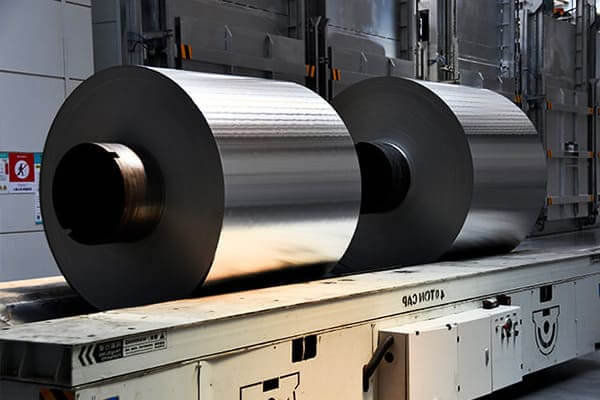 Huawei 5052 Aluminum Coil
1.2 Mechanical Properties in the H32 Temper
The H32 temper denotes a strain‑hardened and partially annealed condition, giving the alloy a moderate level of strength and good formability.
Typical mechanical properties of 5052‑H32 are:
| Property |
Typical Value |
Test Method |
| Te puai no te ti'araa p (Ultimate) |
228 MPa (33 ksi) |
ASTM E8 |
| Te puai no te ti'araa p (Yield) |
193 MPa (28 ksi) |
ASTM E8 |
| Te mana'o hape (in 50 mm) |
10 % – 12 % |
ASTM E8 |
| Hardness (Brinell) |
60 HB |
ASTM E10 |
| Elastic Modulus |
69 GPa (10 × 10⁶ psi) |
ASTM E111 |
| Density |
2.68 g/cm³ |
– |
| Electrical Conductivity |
23 % IACS |
– |
These values position 5052‑H32 between the more formable 3003‑H14 and the higher‑strength 6061‑T6, making it suitable for applications that require both shaping and structural integrity.
1.3 Corrosion Resistance
5052‑H32 forms a stable oxide layer that protects the underlying metal from atmospheric and marine corrosion.
When combined with a high‑quality color coating, the material achieves a double‑barrier protection system:
- Barrier protection: The paint film blocks moisture and aggressive ions.
- Cathodic protection: The aluminum substrate sacrificially corrodes slower than steel.
This synergy is why 5052‑H32 color‑coated coils are frequently specified for coastal construction, Te mau nota, and outdoor signage.
1.4 Surface Finishes and Color Options
The color‑coating process can deliver a broad spectrum of finishes:
| Finish Type |
Typical Thickness (µm) |
Characteristics |
| Polyester (PE) |
15 – 25 |
Good durability, cost‑effective, moderate UV resistance |
| Polyurethane (PU) |
20 – 30 |
Superior flexibility, high gloss, excellent chemical resistance |
| Fluorocarbon (PVDF) |
25 – 35 |
Ultimate weatherability, color retention >20 years |
| Epoxy |
10 – 20 |
Strong adhesion, used for primer or protective coats |
| Metallic (e.g., ario, auro) |
20 – 30 |
Adds a metallic sheen; often combined with PVDF |
Custom colors can be matched to any RAL, Pantone, or proprietary palette, enabling architects to achieve exact design visions.
2. Manufacturing Process of 5052 H32 Color Coated Aluminum Coil
2.1 Raw Material Selection
The process begins with high‑purity aluminum ingots (≥99.5 % Al) that are alloyed with magnesium and chromium in precise proportions.
The alloy is melted in a reverberatory furnace, degassed, and cast into slabs or ingots.
2.2 Hot Rolling and Cold Rolling
- Hot Rolling: The slab is heated to ~550 °C and passed through a series of roughing and finishing mills to reduce thickness to about 3 mm.
- Cold Rolling: The hot‑rolled strip is then cold‑rolled to the final thickness (commonly 0.2 mm – 3.0 mm). Cold working imparts strain hardening, raising the strength level toward the H32 temper.
2.3 Heat Treatment (Achieving H32 Temper)
After cold rolling, the strip undergoes a partial anneal (typically at 260 °C – 345 °C for 1–2 hours) and is then stabilized by a controlled cooling sequence.
This combination yields the H32 temper, which balances strength and formability.
2.4 Surface Pre‑treatment
Prior to coating, the aluminum surface is cleaned through a multi‑stage line:
- Alkaline cleaning to remove rolling oils.
- Acid pickling to eliminate oxides.
- Chrome‑free conversion coating (or zirconium‑based) to enhance adhesion and corrosion resistance.
2.5 Primer Coating
A primer layer (typically 5–10 µm) is applied by roll‑coating, spray, or curtain coating.
The primer improves topcoat adhesion and provides an additional barrier.
2.6 Topcoat Application
The topcoat (15–30 µm) is applied in the same manner, using either thermosetting (polyester, PVDF) e aore râ, thermoplastic (Te mau nota) resins.
The line speed, anuvera, and coating weight are tightly controlled to achieve uniform thickness and color consistency.
2.7 Curing and Quality Control
The coated strip passes through a convection or infrared oven where the coating cures at 150 °C – 220 °C, depending on the resin system. After curing, the coil is:
- Inspected for thickness, adhesion, gloss, color difference, e surface defects.
- Tested for flexibility (bend test), impact resistance, e Te mau nota (QUV accelerated aging).
Only coils meeting specifications (e.g., ASTM A653, A924, or EN 1396) are packaged and shipped.
3. Applications and Use Cases
3.1 Construction & Architecture
- Roofing & Cladding: 5052‑H32 color‑coated coils are used for standing‑seam roofs, wall panels, and rainscreens. Their lightweight nature reduces structural load, and the PVDF finish ensures 20‑plus‑year color retention.
- Sunshades & Canopies: The material’s formability allows intricate laser‑cut patterns while maintaining strength.
- Interior Ceilings & Wall Panels: Available in various textures (smooth, embossed, Te mau mana'o tauturu no te) to meet aesthetic goals.
3.2 Te faurao
- Automotive Trim: Door panels, dashboard skins, and interior decorative strips benefit from the coil’s formability and surface quality.
- Railway Carriages: Lightweight interior panels improve fuel efficiency and reduce maintenance.
- Marine Hulls & Deck Components: The corrosion‑resistant coating protects against saltwater, making it ideal for small boat panels and yacht interiors.
3.3 Electrical Appliances
- Refrigerator Liners: The coil’s reflectivity and easy‑clean surface are valued in home appliances.
- HVAC Ducts: Coils provide a durable, paint‑able surface for air‑handling units.
3.4 Signage & Branding
- Outdoor Advertising: High‑visibility signs use bright, UV‑stable colors that resist fading.
- Retail Fixtures: Custom colors enable brand‑consistent store fixtures and point‑of‑purchase displays.
3.5 Furniture & Interior Design
- Office Furniture: Desks, partitions, and filing cabinets often feature powder‑like finishes achieved with 5052‑H32 coils.
- Lighting Fixtures: Reflective surfaces enhance light output while allowing design flexibility.
Result: The new façade reduced installation time by 30 % (due to larger coil width) and achieved a 15 % reduction in overall wall weight, enabling the use of a lighter structural framework. The building’s energy consumption dropped by 8 % thanks to the reflective coating.
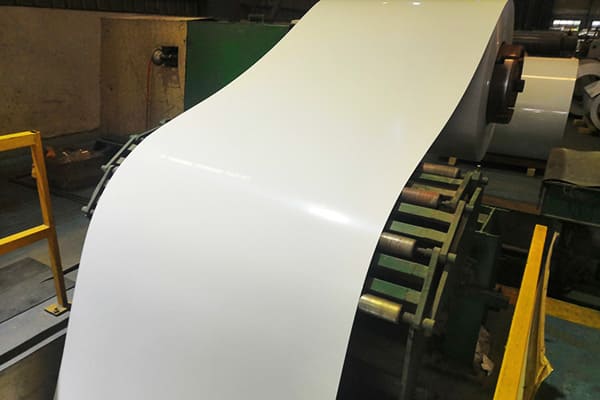 Production of 5052 H32 Color Coated Aluminum Coil
4. Selecting the Right 5052 H32 Color Coated Aluminum Coil
4.1 Thickness and Width Considerations
| Faaohiparaa |
Typical Thickness (Te mau mana'o tauturu no te) |
Typical Width (Te mau mana'o tauturu no te) |
| Roofing/Cladding |
0.6 – 1.2 |
1000 – 1500 |
| Automotive Interior |
0.3 – 0.6 |
800 – 1200 |
| Appliance Panels |
0.4 – 0.8 |
900 – 1300 |
| Signage |
0.5 – 1.0 |
1000 – 1600 |
Rule of thumb: Thicker coils provide higher strength but increase material cost; wider coils reduce seams but may require special handling.
4.2 Coating Type (Polyester, PVDF, e te vai atu ra.)
- Polyester (PE): Best for interior applications or where cost is the primary driver. Typical lifespan 10–15 years.
- Polyurethane (PU): Offers a balance of cost and performance; good for furniture and automotive interiors.
- PVDF (Fluorocarbon): The premium choice for architectural exteriors, demanding 20‑year+ durability.
4.3 Color Matching and Aesthetic Requirements
Specify color tolerance (ΔE ≤ 0.5 for architectural projects) e gloss level (30 – 90 GU). Request a color chip e aore râ, on‑site sample before bulk order.
4.4 Compliance and Certifications
Ensure the coil meets relevant standards:
- ASTM A653/A924 (Steel) – not applicable but refers to coating standards.
- EN 1396 – Aluminum and aluminum alloys – coil‑coated products.
- ISO 9001 – Quality management system of the manufacturer.
- LEED / BREEAM – Recycled content documentation (typically 20‑30 % recycled aluminum).
4.5 Cost vs. Performance
| Factor |
Impact on Cost |
| Coil thickness (+0.1 mm) |
+3 % – 5 % |
| PVDF vs. TE MAU NOTA |
+15 % – 25 % |
| Custom color (non‑stock) |
+5 % – 10 % |
| Te huru â te huru >1500 mm (special roll) |
+8 % – 12 % |
| Quantity (≤5 t) |
+10 % – 15 % (small‑order premium) |
Balance these factors against the expected service life and maintenance budget.
5. Comparison with Other Materials
5.1 5052‑H32 vs. 3003‑H14
| Property |
5052‑H32 |
3003‑H14 |
| Te puai no te ti'araa p (MPa) |
228 |
150 |
| Yield Strength (MPa) |
193 |
145 |
| Te mana'o hape (%) |
10–12 |
15–20 |
| Corrosion Resistance |
Excellent (Mg‑rich) |
Good (Mn‑rich) |
| Formability |
Moderate (good for bending) |
Very high (deep drawing) |
| Typical Use |
Structural panels, Te mau nota |
Food packaging, heat exchangers |
Takeaway: Choose 5052‑H32 when higher strength and corrosion resistance are required; opt for 3003‑H14 when maximum ductility is needed.
5.2 Aluminum vs. Steel
| Aspect |
Aluminum (5052‑H32) |
Steel (Galvanized) |
| Density (g/cm³) |
2.68 |
7.85 |
| Weight per Area (same thickness) |
~50 % of steel |
Baseline |
| Corrosion Mechanism |
Forms protective oxide |
Requires zinc coating |
| Magnetic |
Non‑magnetic |
Magnetic |
| Thermal Conductivity |
138 W/m·K |
50 W/m·K |
| Typical Coating Thickness (µm) |
25–35 (PVDF) |
15–25 (Polyester) |
| Lifespan (Architectural) |
20–30 years |
10–15 years (with proper maintenance) |
| Environmental Impact |
Highly recyclable (95 % recycled content possible) |
Recyclable but higher energy to produce |
Conclusion: Aluminum offers a superior strength‑to‑weight ratio, longer coating life, and better sustainability, albeit at a higher upfront cost.
5.3 Color‑Coated Aluminum vs. Powder‑Coated Steel
| Factor |
Color‑Coated Aluminum Coil |
Powder‑Coated Steel |
| Process |
Continuous roll‑coating, uniform thickness |
Electrostatic spray, curing |
| Thickness Control |
Precise (≤ ±2 µm) |
Variable (10–30 % variation) |
| Adhesion |
Chemical bonding via primer |
Mechanical interlocking |
| Flexibility |
Retains flexibility after coating |
Can crack on deep draws |
| Te mau haamau'araa (large volumes) |
Lower (high line speeds) |
Higher (labour‑intensive) |
| Environmental |
Low VOC, continuous recycling |
VOCs from curing, overspray waste |
For large‑scale projects requiring uniform appearance and fast installation, color‑coated aluminum coils are the more efficient choice.
6. Installation and Maintenance Guidelines
6.1 Handling and Storage
- Store in a dry, ventilated environment; avoid direct sunlight that may cause temperature‑induced expansion.
- Use non‑metallic slings to prevent surface scratches.
- Keep coils upright on pallets; avoid stacking more than three coils high.
6.2 Cutting and Forming
- Shear cutting works well for thin gauges (< 1 mm).
- Laser cutting provides precise edges with minimal burr.
- CNC brake forming can achieve complex profiles; ensure bend radii ≥ 2× thickness to avoid coating cracking.
6.3 Joining Methods
| Method |
Suitable for |
Notes |
| Mechanical Fasteners (screws, rivets) |
Sheet‑to‑sheet, panel‑to‑frame |
Use stainless‑steel fasteners to avoid galvanic corrosion. |
| Structural Silicone Adhesive |
Panel‑to‑panel, curtain wall |
Provides a watertight seal; cured silicone compatible with PVDF. |
| Welding (MIG/TIG) |
Requires removal of coating in weld zone; subsequent repair coating needed. |
Use filler alloy 4043 for 5xxx series. |
6.4 Cleaning and Maintenance
- Routine Cleaning: Use a soft brush or cloth with a mild detergent (pH 6–8). Rinse with clean water.
- Stain Removal: For graffiti or oil, apply a non‑abrasive cleaner specifically formulated for coated aluminum. Test on a small area first.
- Periodic Inspection: Annually inspect seams, fastener integrity, and coating for chips or scratches. Promptly repair with a touch‑up paint recommended by the coil supplier.
7. Environmental Impact and Sustainability
7.1 Te faaapî - faahou - raa
Aluminum is one of the most recyclable metals: ≈ 95 % of aluminum can be recycled without loss of properties.
Color‑coated coils can be re‑melted; the organic coating burns off at ~ 600 °C, leaving clean metal for reuse.
7.2 Energy Efficiency
- Production energy: Producing 1 t of primary aluminum consumes ~ 15 MWh, but recycling uses only 5 % of that energy.
- In‑use energy: The lightweight nature of aluminum reduces transportation fuel consumption. A typical building façade using 1 mm aluminum saves ~ 30 kg of steel, translating to ~ 0.2 t CO₂ per 100 m² of cladding.
7.3 LEED / BREEAM Credits
Using 5052‑H32 color‑coated aluminum can contribute to several certification categories:
- MR Credit (Materials & Resources): Recycled content (post‑consumer + pre‑consumer).
- IEQ Credit (Indoor Environmental Quality): Low‑VOC coatings (PVDF ≤ 20 g/L).
- EA Credit (Energy & Atmosphere): Improved building envelope reduces heating/cooling loads.
Document the Environmental Product Declaration (EPD) from your supplier to streamline credit submission.
8. Pricing and Procurement
8.1 Market Price Trends
As of 2024, te price of 5052‑H32 color‑coated aluminum coils fluctuates between USD 2,800 and USD 3,500 per metric ton (FOB China), depending on:
- Base aluminum price (London Metal Exchange ~ USD 2,200/t).
- Te huru o te pereue (PVDF premium ~ USD 400/t).
- Me'ume'u & width (wider/thicker coils command a premium).
8.2 Factors Affecting Cost
| Factor |
Typical Cost Impact |
| Base aluminum price (LME) |
± 10 % |
| Te huru o te pereue (PVDF vs. PE) |
+ 15 % |
| Custom color (non‑stock) |
+ 5 % |
| Order volume < 5 t |
+ 10 % |
| Logistics (shipping to North America) |
+ 5 % (sea freight) to 15 % (air freight) |
8.3 Sourcing from Huawei Aluminum
Huawei Aluminum is a leading manufacturer of color‑coated aluminum coils, offering:
- Full‑scale production lines capable of widths up to 1,800 mm and thickness from 0.2 mm to 3.0 mm.
- Advanced coating technologies (PVDF, PE, PU, epoxy) with tight thickness tolerances (± 2 µm).
- Custom color matching using spectrophotometric control; lead times as short as 10 days for standard colors.
- Comprehensive testing – including QUV, Salt‑Spray, Bend, and Gloss – in‑house to guarantee performance.
- Certification – ISO 9001, ISO 14001, OHSAS 18001, and CE marking for European projects.
When you request a quote, provide the following details to expedite processing:
- Required thickness & width (Te mau mana'o tauturu no te).
- Te huru o te pereue (PE, PVDF, e te vai atu ra.).
- Color code (RAL, Pantone, or sample).
- Order quantity (Te mau mana'o tauturu no te).
- Delivery destination (port or door).
9. FAQs About 5052 H32 Color Coated Aluminum Coil
9.1 What does “H32” mean?
The “H32” designation is part of the Aluminum Association temper system. It indicates the alloy has been strain‑hardened (cold‑rolled) and then partially annealed to a specific level of strength and formability. The “H3” denotes a stabilized temper (i.e., the material has been strain‑hardened, then given a low‑temperature heat treatment to prevent softening over time). The “2” refers to the specific level of strain hardening (2 – 4 % reduction).
9.2 Can 5052‑H32 be welded?
Yes, 5052‑H32 can be welded using MIG or TIG processes. Because it is a non‑heat‑treatable alloy, the weld zone will experience a slight loss of strength (≈ 10‑15 %). Use a 4043 e aore râ, 5356 filler alloy for best results and consider post‑weld heat treatment if the component will be subject to high stresses.
9.3 How long does the color coating last?
The lifespan depends on the coating type:
- Polyester (PE): 10–15 years in moderate climates.
- PVDF (Fluorocarbon): 20–30 years with minimal fade (< 5 ΔE).
Proper installation and regular cleaning can extend the service life.
9.4 What is the typical lead time for a custom color order?
For standard colors (e.g., RAL 9002,RAL 7016), lead time is 7–10 days after order confirmation. Custom colors (non‑stock) typically require 14–21 days due to color matching and batch testing.
9.5 Is 5052‑H32 suitable for marine environments?
Yes. The alloy’s magnesium content provides excellent resistance to saltwater corrosion, and the PVDF coating adds an extra barrier. Many boat hull panels, dock cladding, and seaside architectural elements use 5052‑H32 color‑coated coils.
9.6 Does the coil come with certification?
Reputable suppliers, tae noa'tu i te Huawei Aluminum, provide mill test certificates (MTC) that include:
- Chemical composition (spectrometer test).
- Te mau faufaa i te pae no te matini (tensile, yield, elongation).
- Coating thickness and adhesion results.
Additionally, an EPD (Environmental Product Declaration) can be supplied for green building projects.
9.7 Can I get a sample before placing a bulk order?
Absolutely. Most manufacturers offer sample strips (typically 0.5 m × 0.5 m) for a nominal cost or free of charge, depending on the project scale. Requesting a sample is strongly recommended to verify color, gloss, and coating adhesion.
9.8 How should I calculate the weight of a coil?
The formula is straightforward:
[
\text{Te faito teiaha (kg)} = \text{Length (m)} \times \text{Te huru â te huru (m)} \times \text{Me'ume'u (Te mau mana'o tauturu no te)} \times \text{Density (2.68 g/cm³)}
]
Ei hi'oraa, a coil 1,000 m long, 1,200 mm wide, and 0.8 mm thick weighs:
[
1{,}000 \times 1.2 \times 0.8 \times 2.68 = 2{,}572 \text{ kg}
]
10. Conclusion
Ua haapii mai te 5052 H32 Color Coated Aluminum Coil stands out as a high‑performance, aesthetically flexible, and sustainable material for a wide array of industries.
Its unique blend of mechanical strength, Te mau mana'o tauturu no te haapiiraa, and formability—combined with a durable, customizable color coating—makes it an ideal choice for architectural cladding, transportation interiors, appliance panels, Te mau nota, and many other applications.
When selecting a coil, consider thickness, width, coating type, and compliance with relevant standards. Conduct a cost‑benefit analysis that factors in both upfront material expenses and long‑term maintenance savings.
Partnering with an experienced supplier such as Huawei Aluminum ensures you receive a product that meets exacting specifications, backed by technical support, certifications, and competitive pricing.
Whether you are designing a modern façade, developing a new vehicle interior, or specifying components for a marine project, te 5052 H32 Color Coated Aluminum Coil delivers the durability, beauty, and performance you can rely on.
Contact Huawei Aluminum today to discuss your project requirements and receive a tailored quotation that aligns with your design vision and budget.
This article is intended to provide general guidance. For project‑specific engineering decisions, consult a qualified structural engineer or materials specialist.
Share with PDF: Download
No te aha e ma'iti ai ia tatou?
Henan Huawei Aluminum Co., Ltd. o ' na te raatira o te mau fare hamaniraa e te mau taiete e rave rahi i te fenua Taina. E hi'opoa maite tatou i te huru maitai e e haapao noa tatou i te mau hoani. Te ti'aturi nei matou e, e rave amui outou i te ohipa e o outou, e e horo'a'tu matou ia outou i te mau materia maitai roa no te mau materia e vai ra i roto i te mau fare pureraa.. Mai te peu e e hinaaro outou e fana'o i te moni hoo apî roa ' ' e e te maitai roa ' ' e na roto i te kilo aore ra te kilo, a farerei mai na ia matou.